Discovering the Diversity of Middle Eastern Food and Halal Food: A Culinary Trip
When you consider Middle Eastern food, a world of varied flavors and rich practices comes to mind. Each recipe narrates, shaped by the land and its people. As you discover the concepts of halal and its influence on these cooking techniques, you'll uncover a lively tapestry of active ingredients and strategies. What connections exist in between these meals and the societies they stand for? The solution might amaze you.
The Essence of Middle Eastern Food: Flavors and Active Ingredients
Middle Eastern food bursts with vibrant tastes and rich components that carry your palate to far-off lands. When you submerse on your own in this cooking globe, you'll discover a wonderful mix of flavors like cumin, coriander, and sumac, each adding depth to every dish. You'll appreciate the freshness of natural herbs such as parsley and mint, boosting meals with their aromatic high qualities.
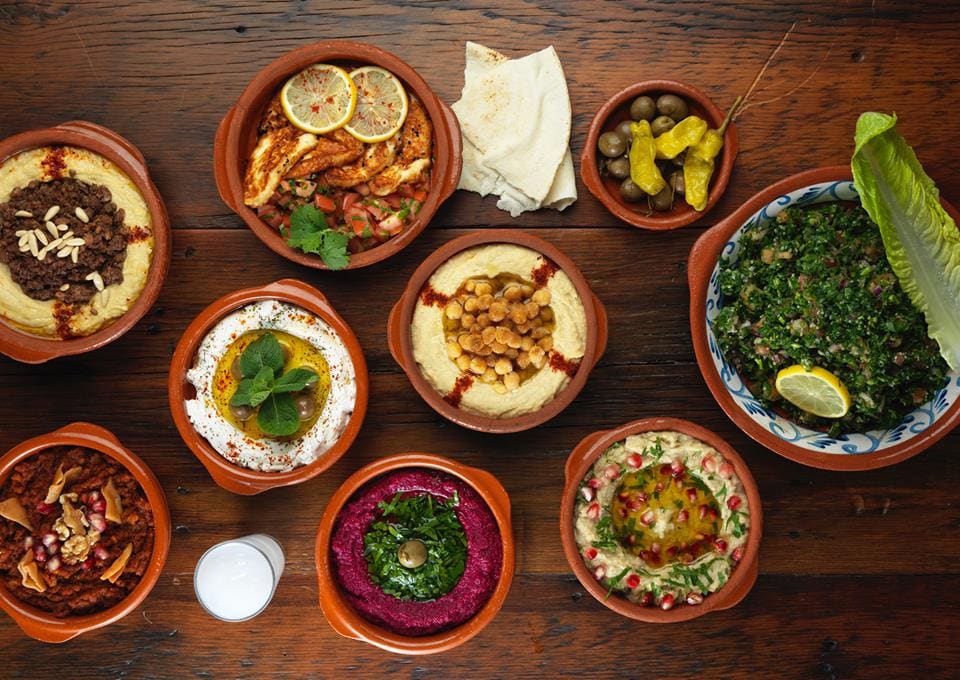
As you discover the variety of healthy proteins, from tender lamb to delicious hen, you'll discover that barbecuing and marinating improve their flavors beautifully. Whether it's a cozy pita stuffed with tasty dental fillings or a hearty stew, the active ingredients in Middle Eastern food develop a harmony of preferences that invites you to savor every bite.
Typical Cooking Techniques: A Cooking Tradition
Cooking between East is soaked in custom, with strategies given through generations that mirror the region's abundant history and culture. You'll locate that lots of approaches concentrate on slow food preparation and communal sharing, emphasizing the significance of family and area in meals. Strategies like cooking over open fires, marinating meats in seasonings, and utilizing clay pots for stews showcase the tastes intrinsic in local active ingredients.
As you dive deeper, you'll find the art of baking, from flatbreads to pastries, usually performed in communal stoves, including a distinct touch to the culinary experience. Making use of seasonings is additionally an important method; mixing them perfect can boost any meal.
These time-honored approaches not only protect the significance of Middle Eastern cuisine yet likewise attach you to the dynamic tales and practices of the people that have actually cooked these meals for centuries.
The Role of Halal in Middle Eastern Food
When checking out the abundant tapestry of Middle Eastern food, you'll rapidly see that halal principles play an essential function fit the food society (Halal restaurant Vancouver). Halal, suggesting "allowable" in Arabic, overviews how food is sourced, prepared, and consumed. This implies just certain pets can be consumed, and they have to be butchered in a humane and ritualistic way
As you dive much deeper, you'll see that halal isn't simply concerning nutritional constraints; it shows a wider honest dedication to health and wellness and sustainability. Lots of Middle Eastern meals highlight fresh active ingredients, lively flavors, and fragrant natural herbs, straightening perfectly with halal practices.
Eating halal often fosters a sense of community and regard, as meals are shared among family and good friends. Whether you're relishing a spiced kebab or a great smelling rice recipe, understanding halal's duty improves your culinary experience, attaching you to the customs and values that specify Middle Eastern food.
Signature Dishes From Various Areas
As you discover the varied regions of the Middle East, you'll discover that each area boasts its very own signature dishes, showing regional ingredients and culinary customs. In Lebanon, you can not miss the flavorful tabbouleh, a fresh salad made with parsley, bulgur, and tomatoes. Traveling to Syria, and you'll come across kibbeh, which integrates ground meat and spices, commonly served with yogurt.
In the Gulf states, enjoy the rich machboos, a spiced rice meal with meat or fish and shellfish. Venture to Turkey, where you'll enjoy the succulent döner kebab, skillfully seasoned and served in various methods.
Don't forget Iran, home to the aromatic saffron-infused rice dish called tahchin, layered with poultry or lamb. Each meal tells a story, inviting you to experience the distinct tastes and cultures of the Middle East. Welcome this culinary journey, and let your taste buds check out!
The Influence of Society and Faith on Middle Eastern Cuisine
Culture and religious beliefs play a necessary duty in shaping Middle Eastern cuisine, affecting whatever from component selections to cooking approaches. Islamic dietary legislations determine halal practices, leading to particular techniques of pet massacre and food prep work.
During Ramadan, for instance, you'll locate an abundance of dishes designed for damaging quick, showcasing common practices. When you discover Middle Eastern cuisine, you're not just sampling food; you're experiencing click this link an abundant narrative woven with culture and confidence, where every bite informs a tale of heritage, neighborhood, and spiritual connection.

Exploring Street Food: A Preference of Everyday Life
Street food is a vivid expression of day-to-day life between East, supplying a glance right into the area's cooking spirit. As you stroll via bustling markets or vibrant streets, you'll encounter a plethora of alluring scents and flavors. Take a minute to relish newly made falafel, crunchy outside and tender inside, or delight in shawarma, skillfully marinated and smoked to excellence.
Road food isn't simply concerning taste; it's regarding link. You'll see locals collecting, sharing laughter, and appreciating their dishes together. Go in advance, immerse on your own in the world of Middle Eastern road food and experience its abundant flavors firsthand.
Events and Community: Food as an Unifying Force
While food commonly brings individuals with each other, in the center East, it acts as the heart beat of celebrations and neighborhood gatherings. Visualize yourself at a lively event, surrounded by the aroma of spiced kebabs and newly baked bread. You 'd find households sharing plates of hummus and tabbouleh, each dish narrating of custom and love.
Throughout Ramadan, the iftar dishes join loved ones as they damage their fast together, emphasizing thankfulness and link. Wedding events include elaborate feasts, where guests enjoy sugary foods like baklava and kunafa, celebrating love and unity.
You may observe that food isn't just nutrition; it's an icon of friendliness and togetherness (Catering Vancouver). Whether it's a straightforward gathering or a grand celebration, the act of sharing a meal cultivates bonds, enhances relationships, and produces enduring memories. Between East, food truly comes to be a unifying pressure wikipedia reference that goes beyond borders and commemorates the richness of community
Frequently Asked Inquiries
What Are the Health And Wellness Perks of Middle Eastern Food?
Middle Eastern cuisine uses many health and wellness benefits. You'll delight in fresh components, healthy and balanced fats, and plenty of flavors, promoting heart wellness and food digestion. And also, its plant-based alternatives can improve your general nutrition and power levels.
Exactly How Can I Find Halal-Certified Dining Establishments Outside the Middle East?
You can discover halal-certified restaurants outside the Middle East by utilizing apps like Zabihah or HalalTrip, checking neighborhood listings, and requesting for suggestions from Muslim communities or buddies acquainted with the location's dining options.
Exist Vegetarian or Vegan Middle Eastern Cuisines?
Yes, you'll locate plenty of vegan and vegan Middle Eastern dishes. Recipes like falafel, tabbouleh, and baba ghanoush are tasty options.
What Are Usual Misconceptions Regarding Middle Eastern Food?
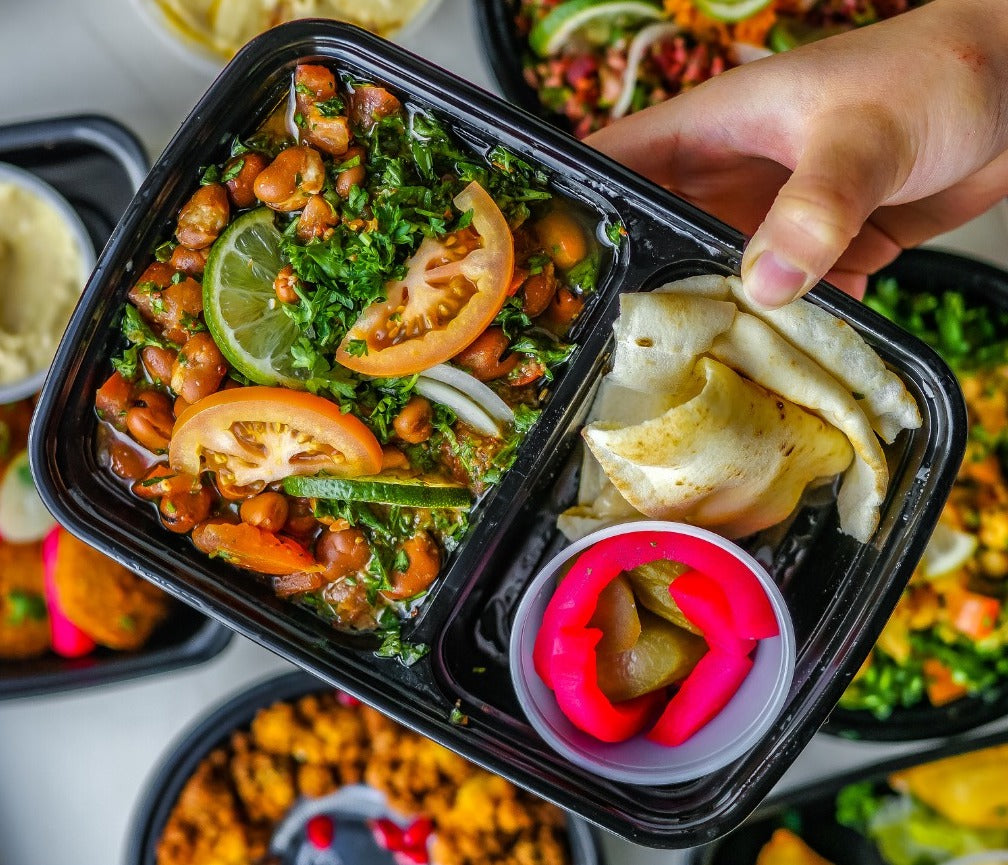
You may assume Middle Eastern food is everything about meat, yet that's not real. Several dishes display grains, beans, and fresh veggies. In check my blog addition, seasonings and flavors differ extensively, disproving the idea of harmony in food.
Exactly How Do Regional Climates Affect Middle Eastern Food Preparation Styles?
Regional environments substantially affect cooking designs in the Middle East. You'll see warmer areas favor grilled meats and seasonings, while cooler areas highlight passionate stews and breads, showcasing the versatility of regional ingredients and traditions.